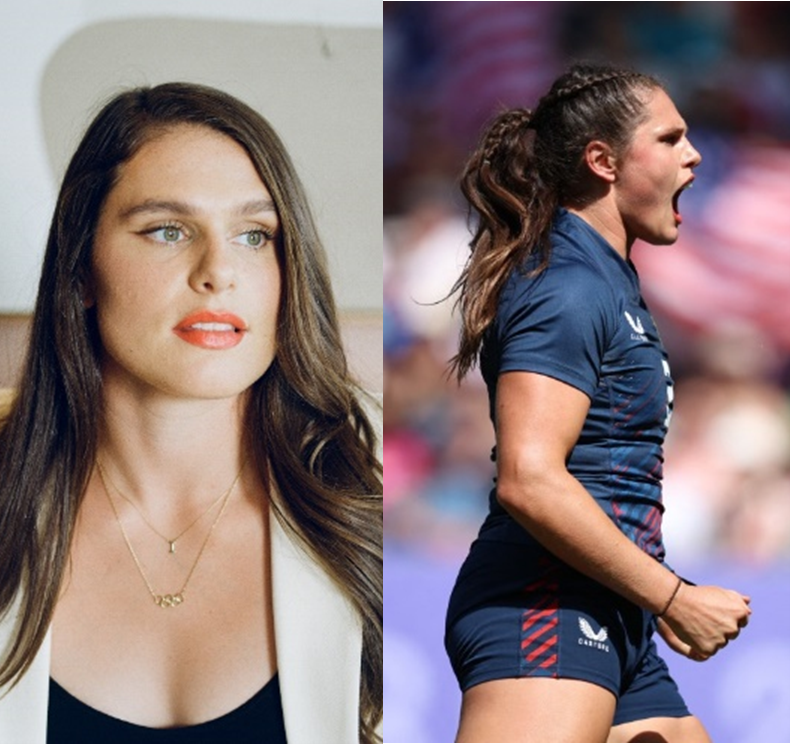
Like many of you, I’ve been engrossed in the performances and the personalities of the 2024 Paris Olympics for the past few weeks. Simone Biles is beyond words. How God packed so much power into her spritely 4’8” frame is beyond comprehension. Gabby Thomas impressed me as she ran away with the gold in the 200-meter sprint. Sam Watson appeared so absolutely superhuman in breaking the world record for speed climbing that I mistook him for Spider Man! Finally, my favorite break-out star of the games has been Ilona Maher of the U.S. Women’s Rugby Team. She’s a 5’10”, 200lb runaway freight train who punishes opposing players who try to stop her. Refreshingly, on her Tik Tok channel, she breaks preconceived notions as easily as she does tackles by embracing a girly-sweet demeanor with a penchant for sorority sister silliness.
As I’ve watched these superhuman athletes, I’ve noticed an obvious common denominator: they all train obsessively. Let’s be honest: these athletes are genetically gifted with raw physical power and mental toughness. Notwithstanding all their talent, they seem to train and practice more than there are hours in the day! If such is the case, then why do we as public relations professionals practice so infrequently the skills that are critical to our profession? As an expert media trainer, can you guess where I’m going next?
PR pros are often the spokespersons for their organizations. Most of the time, they are responsible for training their organization’s senior leaders to act as spokespersons, too. Yet, how often do PR pros engage in formal media training for themselves? How often do senior leaders receive media training – maybe every three or four years at best? If Olympic athletes need to train and practice frequently to be at their best, then so do spokespersons. As you think about organizing the next media training session for yourself and your senior leaders, here’s a list of the essential elements or lessons the most effective media trainings should include:
Understand the game – Spokespersons need to understand that reporters aren’t friends. It’s the spokesperson’s job to stay on message and deliver quotable material. If spokespersons misspeak in a way that reflects poorly on the organization, then don’t expect the reporter to cut you a break and clean up your quote – they won’t.
Best practice interview techniques – Handling tough questions while delivering key organizational messages eloquently is an art form. Mastering interview techniques such as bridging and flagging to set up a smooth transition to your story or key messages must be a part of every media training.
Simulated interviews – The only way to get better at using effective interview techniques is by practicing them in realistic situations. A good media trainer should tailor interview simulations to closely mimic the type of reporter, interview style and questions the spokesperson expects. Media trainers should reserve at least half of the training session for interview simulations.
Video playback – Spokespersons can dramatically improve through the review and critique of video recordings of their simulated interviews. It can be painful to see yourself on camera, but it’s hard to recognize the errors we make simply by someone else telling us. Seeing it on camera helps spokespersons become more objective about their performance and eager to improve.
Critical DOs and DON’Ts – There are a handful of important tips that spokespersons should frequently review such as: don’t repeat negative language, be sympathetic, stay positive, focus on solutions rather than problems, don’t take questions personally, smile, etc. These tactics aren’t intuitive, and spokespersons need to be reminded frequently.
In closing, as you seek to increase the amount of media training you do for yourselves and your spokespersons, be sure to hire a recommended media trainer. Very few Olympic athletes train alone. Most have a coach who helps them improve and refine their skills and maintain top physical condition. When it comes to being a world class spokesperson, just like an Olympic champion, you need a smart coach who can be objective about your performance and push you to the next level. To find the best one in your area, seek out recommendations from local leaders of the Public Relations Society of America. And, make sure that the trainer you are considering provides testimonials from past clients. All in all, working with an expert trainer may not land you on an Olympic medals podium, but your performance as a spokesperson will be golden with the right trainer and more practice.
 jcs-communications.com
Great points, Joel. I’d also like to ask spokespeople to please stop telling me what you are not doing. From my local paper today in a story about a book by the Governor being added to a summer reading list, the principal at the high school said: “We’re not trying to indoctrinate and get people to like the governor. We just give suggestions to look through.”
Which we all read as he is trying to indoctrinate students and get them to like the Governor. How much better if he said “We believe in offering our students choices of reading materials to not only stretch their thinking but to also allow them to decide on their own what they want to read from a diverse list.” Tell me what you are doing, not what you’re not.
Clearly, this is my pet peeve! 🙂
LikeLike
Love your comment, such a great point! Essentially, he’s repeating his attacker’s argument for them. Makes him seem defensive, too. Spokespersons should simply focus on their messages and story.
LikeLike