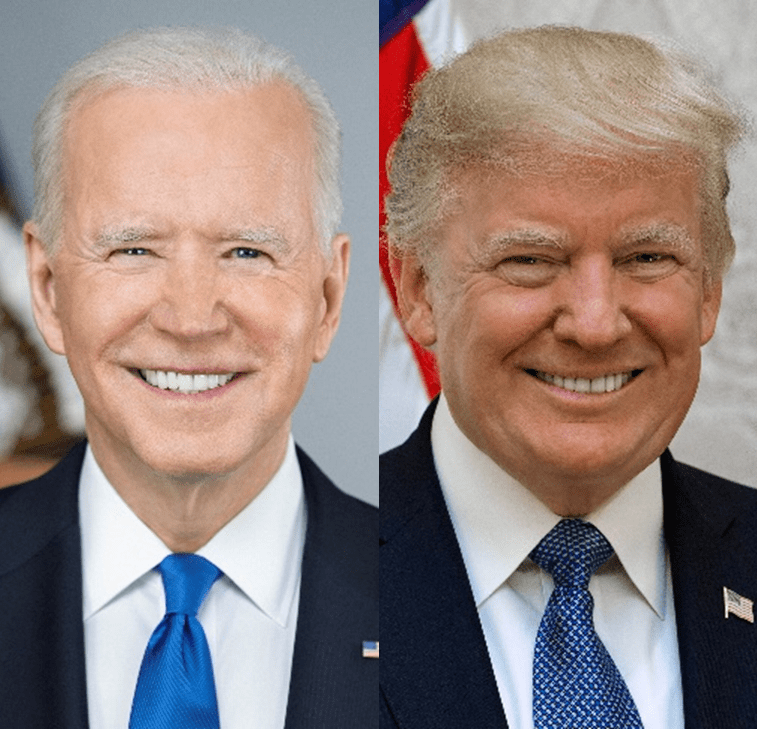
Who’s better at reformulating – Joe or Donald?
When Joe Biden and Donald Trump square off on CNN tonight, millions of Americans will be watching to see who can tell their story the best, refute the rest, and look the most presidential while doing it. Considering the animosity between the two candidates and the propensity for drama among politicians, there could be more fireworks than the Fourth of July! But, don’t be distracted by the pretty lights. There are sure to be lessons every observant spokesperson can learn. Here are three tactics I predict you’ll see on the debate stage tonight. I’ve included tips below for how they could help your career and personal life.
1. Know your audience – politicians need votes to win. They’ll play to their base some, but mostly they will be trying to reach the undecided voters in the middle. Watch them tailor their messages to appeal to this swath of the audience and label their opponent as a radical far from the center. The lesson for us watching at home is, whenever you communicate with someone, think carefully about their values. What is in their self-interest? How can you adjust your message to better appeal to their needs?
2. Get your story straight – each candidate will seek to steal the spotlight and control the narrative. Listen for them to support their story with both logic and emotion. Watch them attack their opponent’s views and credibility by seeking to label them in undesirable ways. To be successful they will need to deliver their story in three or four short and memorable headlines and repeat them again and again. When you communicate to your important audiences, make sure you clearly define your story. Go beyond facts and figures and focus on the behavior you want to influence when you craft your headlines. Be sure to deliver your headlines again and again if you want them to stick with your listeners.
3. Transition quickly – the key to maintaining control in a debate is the use of quick transitions. Biden and Trump will have two minutes to answer each question, followed by one-minute rebuttals. Microphones will be muted except for the candidate whose turn it is to answer. A smart debater succinctly rebuts the statements of the other and quickly transitions to the topics he or she wants to address. Watch for the verbal “bridges”, “flags” and “reformulations” the candidates will use to transition from defense to offense. A bridge is a phrase that allows you to smoothly move from one topic to another like, “Let me just add…” A flag is an attention-getting preface such as, “What is important to note here is…” Finally, reformulations are a way to rewrite unfair questions. For instance, if someone asks you, “You voted against the Inflation Reduction Act. Why don’t you care about reducing inflation?” You might reformulate it this way: “You’ve asked about a bill that dramatically increased government spending and caused inflation to spiral out of control. I voted against it to protect Americans from inflation.” To improve your own ability to use such transitions, anticipate ahead of time what your listener will ask. Prepare short, honest answers to their questions along with transitions that will help you move quickly to the key message you really want them to remember.
You may notice tactics other than these but trust me these will be front and center. Watch for candidates to use them and be ready to critique their performance. When it’s over, be sure to reply to this post with your opinion on who was best tactically and why. Happy debate watching!
 jcs-communications.com
Leave a comment